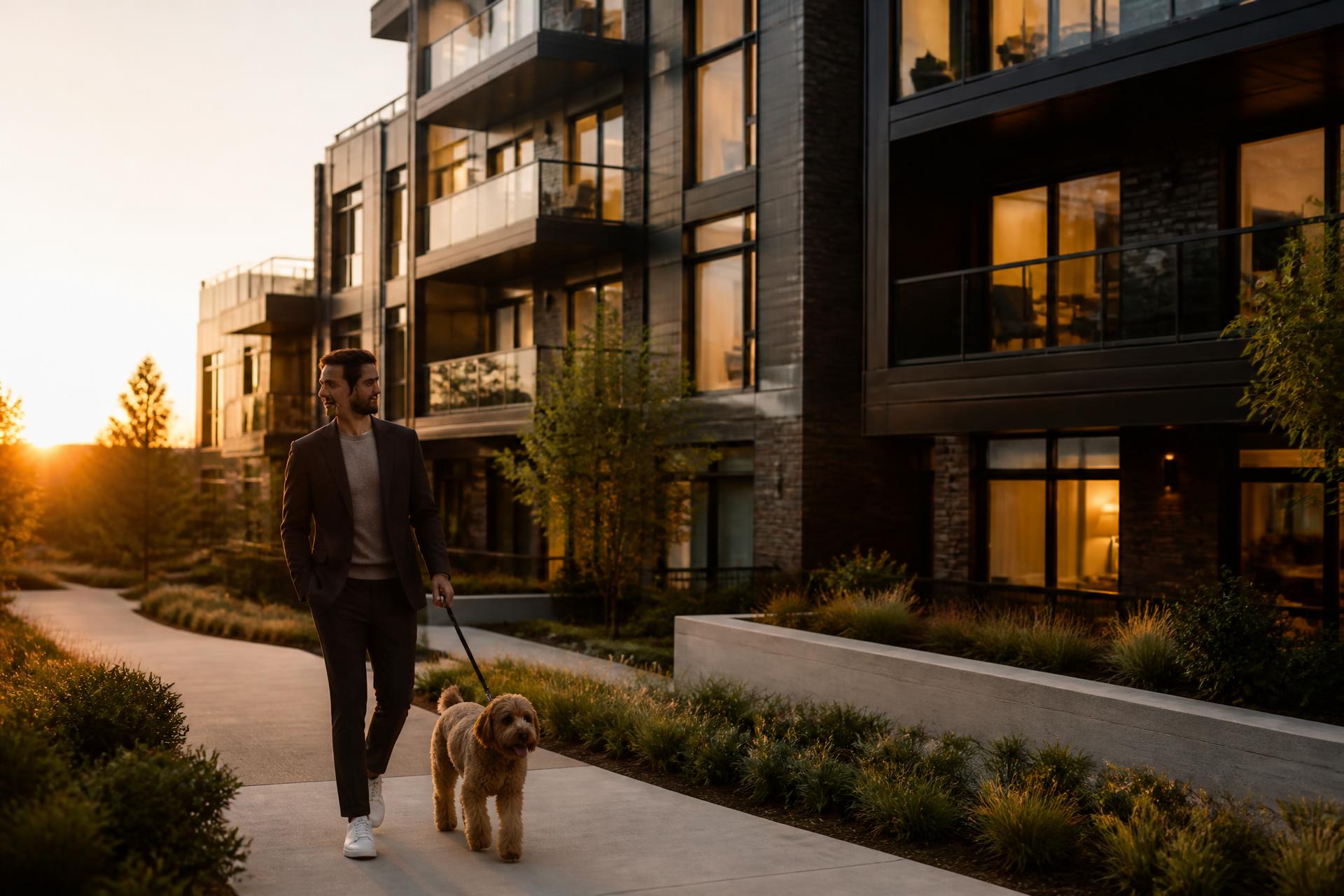
The Biggest Opportunity in Resident Benefits Is Pets
Resident Benefit Packages are turning multifamily into a services business. The next generation will be defined by who controls the spending already inside the building, and few categories carry more of it than pets.
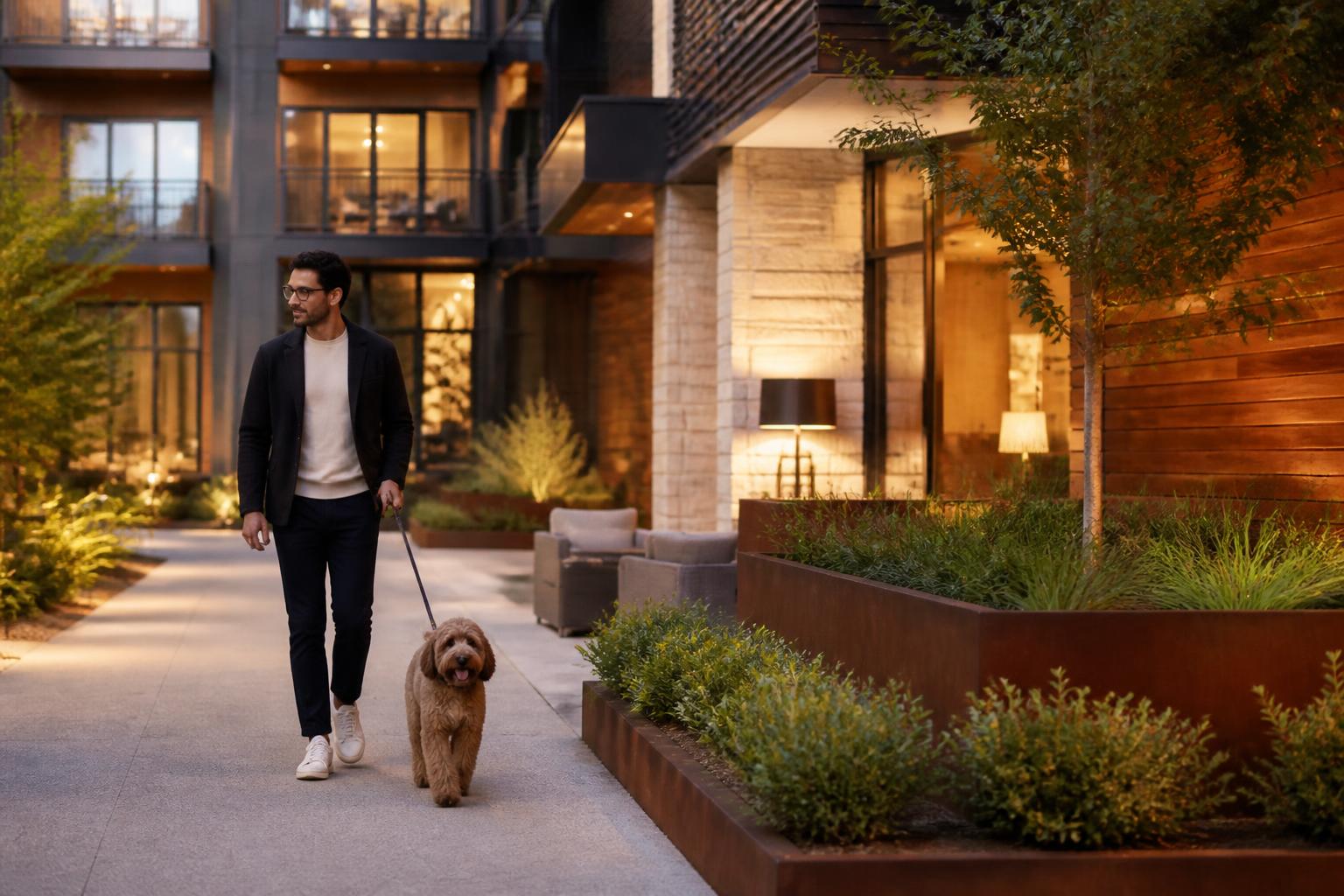
For most of its modern history, multifamily has competed on roughly four levers: location, finish quality, amenity package, and the occasional concession. That playbook built the institutional asset class we know today, and it still matters. It is no longer enough on its own.
The next source of advantage sits on top of the physical asset rather than inside it. Competitive separation is shifting toward service infrastructure: the systems and operating layers that make a community more valuable to live in while producing stronger economics for the owner. Put plainly, multifamily is becoming a hybrid business, part real estate and part services. The building is still the balance sheet. The operating model running on top of it is becoming the income statement.
AppFolio's 2026 Renter Preferences Report puts hard numbers behind a shift many operators have only felt anecdotally. The most telling thread in the report runs through Resident Benefit Packages, or RBPs: the bundled services an operator integrates directly into the lease. The familiar examples are utilitarian, things like group-rate internet, renters insurance, air filter delivery, utility setup, and credit reporting.
The appetite for them is not marginal. Seventy-eight percent of renters say an RBP is an important factor when choosing where to live. Only thirty-three percent currently have access to one. Nearly eight in ten say they would pay for the services if offered.
A forty-five-point spread between what residents want and what they can actually get is, by the standards of a mature asset class, an enormous signal. Demand this far ahead of supply rarely sits still. It gets closed. And the operators who close it on their own terms are the ones who keep the margin.
Most operators will read that gap as confirmation that residents want more convenience. They do. But convenience is the smallest part of the story. RBPs are not simply a leasing perk or a line on a tour. They are becoming a distinct operating layer inside the asset, one that generates ancillary revenue, lifts retention, dampens turnover, and ultimately flows through to NOI.
That matters more now than it would have a decade ago, because the pressure on operators has rarely been this structural. Expenses keep climbing. Turnover stays expensive and stubborn. Concessions quietly erode effective rents. In that environment, owners are hunting for revenue that compounds without adding operational drag. Durable income, not one-time fees.
From commodity utilities to embedded lifestyle
This is where embedded services stop being a nicety and start being a strategy. The first generation of RBPs was built around low-friction utilities. Internet, insurance, and move-in services add convenience and a thin layer of ancillary revenue, but they are fundamentally commodities. Every operator will eventually offer them, which means none of them will separate anyone from the field. The durable opportunity lives one tier up, in categories residents genuinely engage with, that command real wallet share, and that a competitor across the street cannot easily copy.
This is precisely where the industry's blind spot sits. The most valuable resident services tend to share five traits. They solve a recurring problem rather than a one-time one. They generate frequent engagement. They carry emotional weight. They raise the cost of leaving. And they monetize spending that is already happening. Score the obvious categories against those five, and one rises to the top with uncomfortable clarity: pet care.
| Trait | Traditional RBP | Pet-Centric RBP |
|---|---|---|
| Emotional value | Low | High |
| Engagement frequency | Medium | High |
| Wallet share | Low | High |
| Retention impact | Medium | High |
| Revenue potential | Medium | High |
Most operators still think about pets wrong
Pet ownership has quietly become one of the strongest forces shaping how people choose and keep their housing. For millions of households, a pet is not a lifestyle accessory. It is a daily logistical reality and a fixed line in the monthly budget. These residents are not asking for permission to have a dog. They are looking for a home that actually works for life with one.
Yet most operators still run a framework built for a different era. Pets enter the conversation as a policy question: deposits, pet rent, breed restrictions, compliance. Even communities that market themselves as pet-friendly usually stop at two moves, allow the animal and build a dog park. That is where the thinking ends, and that is the mistake.
Pets are no longer a leasing footnote. They have become an operating variable, a permanent constraint on how residents live inside the asset rather than a demographic box to check. Once you treat pets as infrastructure instead of policy, the scale of the opportunity changes entirely.
Pet-owning households already spend heavily, and predictably, on walking, daycare, boarding, grooming, training, and veterinary care. For most, these are not discretionary splurges. They are standing commitments, scheduled into the week as reliably as a commute. Almost none of that spending touches the building where it originates.
That is the gap worth sitting with. Acquisition is already won. The resident is already on the lease, already living the routine, already spending the money. The transaction is simply being handed to someone else, month after month, off the premises.
That is the opening. The next generation of operators will not merely tolerate pet ownership. They will build operating infrastructure around it, and in doing so move from pet-friendly to pet-monetized.
The thesis behind Live Work Pet
We think pet ownership is one of the most under-monetized operating opportunities in the asset class. While most owners still file pets under policy and fees, we see something structurally larger: a high-frequency, high-loyalty resident segment carrying recurring revenue that currently leaks out of the building on move-in day. Live Work Pet exists to keep it inside.
We help owners convert pet ownership into property revenue by embedding fully managed pet services directly into the community. Rather than leaving residents to assemble their own patchwork of off-site providers, we let the owner capture the spending already happening under their roof. The pet care stack belongs in the lease, not scattered across a dozen apps.
This reframes the economics. Instead of squeezing pets for incremental deposits and monthly fees, owners can participate in the much larger service economy those same residents are already funding. Pets stop being a fee line and become what they always were: a premium resident segment with durable, recurring revenue attached.
Picture the asset that gets this right. Residents have seamless, in-building access to dog walking, daycare, pet sitting, grooming, veterinary coordination, wellness, and community programming, all delivered through a single managed operating layer rather than a scramble of phone numbers and apps. The resident gains convenience, trust, and a materially better life at home. The owner gains a new recurring revenue stream, stronger renewals, higher satisfaction, and real competitive separation.
The deeper advantage is operating leverage. Traditional amenities decay. A pool, a gym, a clubroom: each demands capital up front, maintenance forever, and replacement on a depreciation schedule. Service infrastructure runs the other way. It produces recurring revenue, compounds behavioral data, and deepens engagement the longer it operates. One line on the asset depreciates. The other appreciates. That asymmetry is the real reason pet care may become one of the most valuable RBP categories in multifamily.
The downstream effects reach well past resident experience. Higher satisfaction drives stronger renewals. Stronger renewals suppress turnover. Lower turnover cuts vacancy loss, concessions, and the operational friction that quietly taxes every property. Run that chain across a portfolio and it stops reading as a resident-experience story and starts reading as an NOI story.
The next decade of multifamily
This is the larger shift now underway. The most valuable amenities of the next decade may not be physical at all. They will be operational: service layers that pull residents closer to the asset and send more durable economics back to ownership. The future of multifamily amenities is operational, not physical, and for the owners who build it well, pet retention may prove to be the most durable hedge they have against market volatility.
The next decade of multifamily will not be won by whoever pours the nicest concrete or installs the most photogenic amenity deck. It will be won by whoever builds the most intelligent operating model around the residents they already have.